
Who have you lost
The relationship you had with someone shapes how you grieve for them
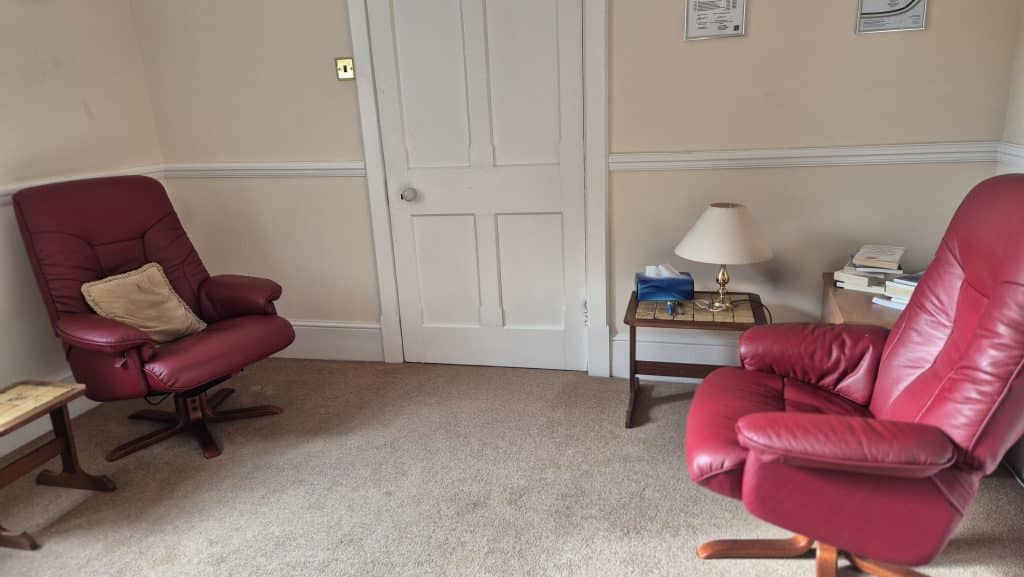
Grief is not just about the fact of a death. Above all, it is shaped by who died, what they meant to you, and the particular texture of your relationship with them. Losing a partner is different from losing a brother or sister. Furthermore, when your relationship with someone was complicated, grief can bring its own distinct challenges.
There is no hierarchy of loss — no bereavement that counts for more than another. However, what matters most is what this person meant to you, and what their absence means in your life now.
For many people, bereavement also affects mental health and wellbeing in ways they did not anticipate.
Loss of a Partner or Spouse
Losing a partner or spouse is for many people the most significant bereavement of their life. It is not just the loss of a person — it is the loss of a shared life, a daily presence, a future you both expected.
There are aspects of any long relationship — its difficulties as well as its joys — that you find hard to share with family or friends. Many of my clients tell me that having someone entirely outside the family, with no stake in how you remember the person, is one of the most valuable things about the work we do together.
Bereavement also has a way of surfacing family tensions that were already there. When a partner dies, relationships with stepchildren, with in-laws, with a wider family that may have complex loyalties, can become unexpectedly difficult. I regularly work with these tensions as a normal part of bereavement.
Loss of a Parent
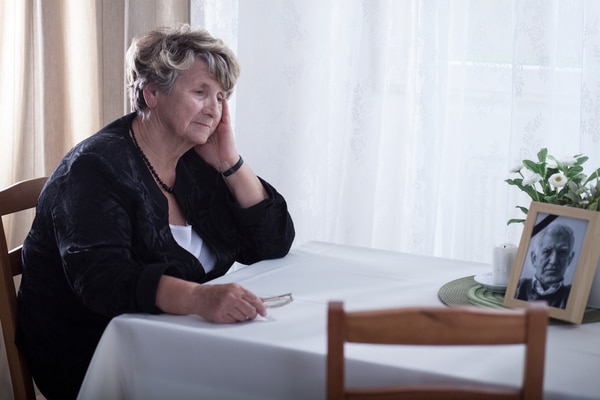
The death of a parent, even when it is expected, even when the parent was elderly, is rarely straightforward. For many people it is their first significant bereavement, and it can feel destabilising in ways that are hard to explain — a sense of the ground shifting, of suddenly being the older generation.
When the relationship with a parent was difficult or complicated, grief can be harder still. There may be things that were never said, never resolved. There may be feelings of relief alongside grief, and guilt about that relief.

Loss of a Child
The death of a child — at any age — is a bereavement that sits outside the natural order of things. It is one of the most profound losses a person can experience, and one of the most difficult to process. Parents often feel that those around them, however well-meaning, cannot fully understand.
I work with parents who have lost children at all stages of life — from pregnancy loss and infant death through to the loss of adult children. Each is different, and each deserves careful, unhurried attention.

Loss of a Brother or Sister
Losing a brother or sister is one of the least acknowledged bereavements. When a parent dies, people rally around. When a sibling dies, the focus often shifts elsewhere — to your parents, to their partner or children — and your own grief can get lost in the process, sometimes even to yourself.
Your brother or sister may have been the person who knew you longest — the one who shared your childhood, your family history, your private language. That loss is unlike any other, and it deserves to be treated as such.
Loss of a Friend
The death of a close friend can be as devastating as any family bereavement — and is frequently treated as less significant by those around you. Friends are chosen family, and the loss of a long friendship, or a friendship that has been a central part of your life, deserves the same care and attention as any other loss.

Pet Bereavement
People routinely underestimate the loss of a pet, yet it is a genuine and significant bereavement — even by the people experiencing it. A pet is a daily presence, a companion, a source of unconditional comfort. Their absence leaves a real gap.
As an animal lover myself, I understand this instinctively as well as professionally. I am a qualified pet bereavement counsellor. I take it seriously. If you have lost your beloved animal and found the grief harder than you expected — please do get in touch.

Anniversaries and Difficult Dates
One of the things that distinguishes my bereavement work is understanding the calendar of grief. The first Christmas. A birthday. A wedding anniversary. The anniversary of the death itself. These dates rarely get easier on their own — and for many people they become the hardest moments of the year, long after the immediate grief has settled.
Part of the work I do with clients is helping them prepare for these dates: understanding what they are likely to feel, how those feelings may catch them off guard, and what to do when they do. It comes from years of working with bereaved people through exactly these moments.
If a particular date is approaching and you are dreading it, that is good reason to get in touch.

Family Relationships After Bereavement
Bereavement rarely affects just one person. It moves through families — and in doing so, it surfaces tensions, loyalties, and complications that were already there.
This is something I see regularly. If your partner dies, relationships with stepchildren can become unexpectedly fraught. Relationships with parents-in-law can change overnight. Family members grieve differently and at different paces, which can itself become a source of conflict.
You may find that the people closest to you are struggling with their own grief and have little left to give. You may feel pressure to hold things together for others. Family dynamics are not easy at such times. You do not need to be alone. I will help you through this.

Complicated Relationships
Not all relationships are straightforward, and grief after a complicated relationship can be among the most difficult to process. This includes the loss of someone from whom you were estranged, or with whom your relationship was difficult or painful. It includes situations where there were things left unresolved — words unsaid, questions unanswered.
It also includes losses where others around you may not fully understand the significance of who you have lost — a former partner, someone whose relationship with you was not widely known, or someone whose role in your life is hard to explain.
Whatever the complexity, the grief is real. And it can be worked with.
Bereavement Only
Grief and loss are the only things I work with. Every client, every situation, every approach I have developed has been about bereavement — nothing else.
BACP Accredited
Member 269896. I follow the BACP Ethical Framework in all my work. I hold a CPCAB Level 4 Diploma in Therapeutic Counselling.
Ongoing Development
I read many books about Bereavement and Loss. I attend many courses about Counselling Therapy – they help broaden my skills.
Whoever you have lost, the first step is simply a conversation.
I offer a free 20-minute initial conversation — no obligation, no referral needed.
Call: 0771 516 0337
or use the form to contact me.