Types of Loss
Grief takes many forms — and your experience is unlike anyone else’s

There is no standard grief. Two people who have lost a partner, a parent, or a child can experience bereavement in completely different ways — shaped by the nature of the death, the relationship, and everything that came before it. What you feel is not wrong, however unfamiliar or uncomfortable it seems. Part of specialist bereavement work is meeting you exactly where you are, without assumption or judgement.
The circumstances of a death shape everything that follows. Below are some of the situations I work with most frequently.
Sudden and Unexpected Death
When someone dies without warning — a heart attack, an accident, a stroke — there is no preparation. One day they were there; the next they are gone. The shock of sudden loss can make grief feel unreal for weeks or even months. Many people describe functioning on the surface while feeling completely numb underneath. The work of counselling often begins with simply helping someone accept that the loss has happened — before anything else is possible.
Death After Long Illness and Anticipatory Grief
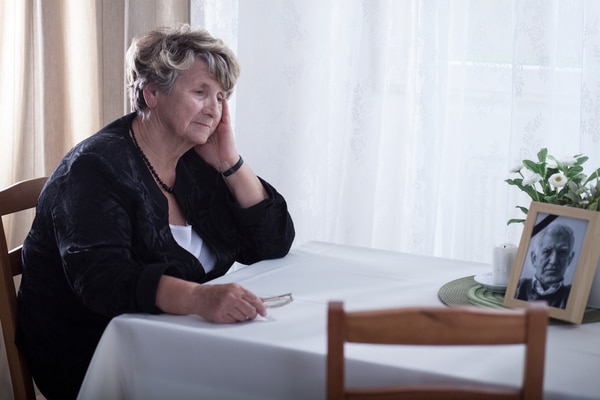
When someone has been seriously ill for a long time, grief often begins before the death itself. This is anticipatory grief — and it is real, even if those around you don’t recognise it as such. You may have been grieving for months or years before your person died, mourning the life you had together, the future you expected, the person they used to be.
When the death finally comes, people sometimes expect to feel relief — and then feel guilty for feeling it. Grief after long illness is frequently complicated by exhaustion, by years of caring, and by the strange experience of having already said goodbye in so many small ways. None of this makes the loss easier. It simply makes it different.

Ambiguous Loss
Ambiguous loss is grief without a clear ending — and it is one of the least understood forms of bereavement.
It most often occurs when someone you love is still physically present but has, in important ways, become absent — through dementia, Alzheimer’s disease, or severe mental illness. The person is there, but the relationship you had with them is gone. You cannot mourn them openly because they are still alive. Others around you may not understand why you are grieving at all.
I work with people at all stages of this kind of loss — those whose loved one is still living, those who are in the middle of a long goodbye, and those who have recently been bereaved after years of watching someone they love disappear gradually. The grief that comes at the end of that journey is often complicated by exhaustion, guilt, and relief — and it deserves the same careful attention as any other bereavement.

Disenfranchised Grief
Disenfranchised grief is grief that others don’t fully acknowledge — loss that society doesn’t always recognise as significant, even when it is devastating to you.
This includes the loss of a pet, which can be as profound as any human bereavement and is frequently minimised by people who have not experienced it. It includes miscarriage and pregnancy loss, where grief is often expected to be brief or private. It includes the loss of an ex-partner, where others may feel you have no right to grieve. It includes losses where the relationship was complicated, secret, or not widely known.
If you have been told — or felt — that your grief is an overreaction, or that you should be over it by now, that experience itself is something worth bringing to counselling.
Complicated and Prolonged Grief
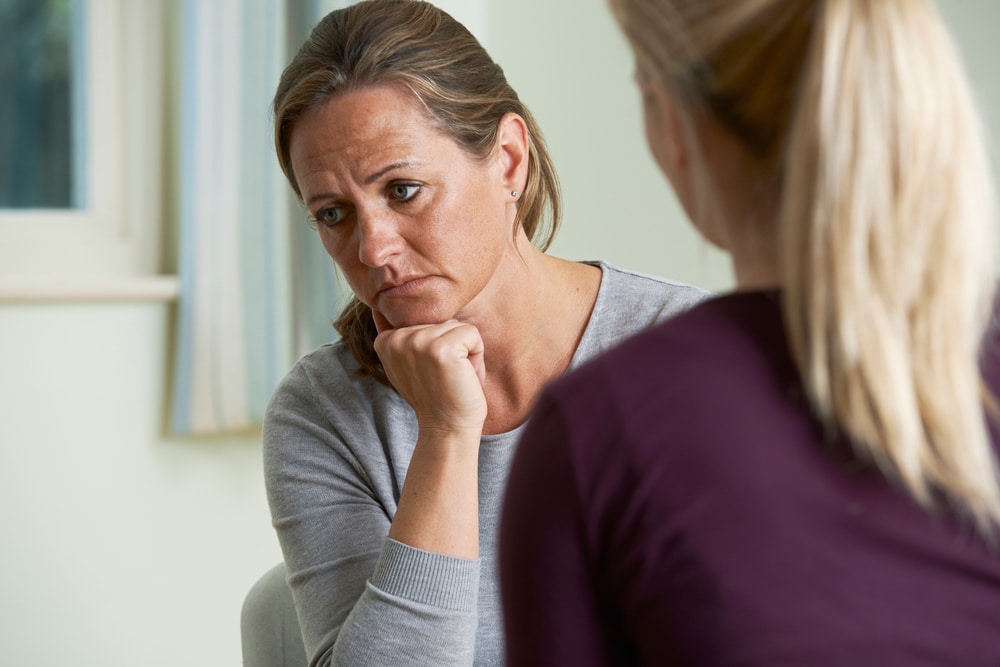
Most grief, given time and support, gradually becomes something that can be carried rather than something that overwhelms. But for some people, grief becomes stuck — intense, prolonged, and resistant to the natural process of adjustment.
Complicated grief can look like acute grief that simply hasn’t eased with time. It can also look like grief that resurfaces years later, triggered by an anniversary, a life event, or something that seems unrelated. It can bring depression, anxiety, difficulty functioning, or a sense of being permanently changed in ways that feel unbearable.
This is not weakness, and it is not abnormal. It is grief that needs more support than time alone can provide — and it is very much within the scope of what I do.
Suicide and Traumatic Loss
Bereavement after suicide is unlike almost any other. It almost always brings guilt — the relentless questioning of what could have been done differently — alongside grief. It frequently brings anger, which itself brings more guilt. And it often brings isolation, because those around you may not know what to say.
Deaths that involve violence, accident, or circumstances that were witnessed can leave trauma running alongside grief, and the two need careful untangling before either can fully be processed.
These are among the most difficult bereavements to carry. If this is your situation, please do get in touch — a brief initial conversation costs nothing, and you don’t have to manage this alone.

Bereavement Only
Grief and loss are the only things I work with. Every client, every situation, every approach I have developed has been about bereavement — nothing else.
BACP Accredited
Member 269896. I follow the BACP Ethical Framework in all my work.
DBS checked.
Qualified Supervisor
I have supervised other counsellors working with bereaved clients — a depth of experience that goes beyond private practice alone.