
When Grief Becomes Something More
Bereavement can bring depression, anxiety, and feelings that go far beyond sadness
Grief is not a mental health condition. It is a natural human response to loss. But grief and mental health are closely connected — and for many people, bereavement triggers or deepens depression, anxiety, and a loss of confidence that can be hard to separate from the grief itself.
This matters because it changes what support is needed — and it is shaped by the nature of your loss. Treating depression that has been caused or deepened by bereavement is different from treating depression in other contexts. The loss has to be part of the work — not set aside while something else is addressed.
This is precisely what I do. I work with depression, anxiety, and low self-esteem specifically in the context of bereavement — not as separate conditions, but as part of the same experience.
Grief and Depression
The line between grief and depression is not always clear. Both involve sadness, withdrawal, loss of energy, and difficulty imagining the future. But grief is, at its core, about someone who is no longer there. Depression is about how you feel about yourself and the world.
After a significant bereavement, the two frequently arrive together. The loss creates the depression, or deepens a depression that was already present. And depression, in turn, can make grief much harder to process — a weight on top of a weight.
Signs that grief may have deepened into depression include: persistent feelings of worthlessness or hopelessness, difficulty functioning in daily life over an extended period, withdrawal from everyone and everything, and a sense that things will never improve. If any of this sounds familiar, it is worth talking to someone.

Grief and Anxiety
Loss confronts us with things we would rather not think about — our own mortality, the fragility of the people we love, the uncertainty of the future. For many people, bereavement triggers anxiety that can become overwhelming.
This might look like persistent worry, difficulty sleeping, physical symptoms — a racing heart, tightness in the chest — or a new and acute fear of losing other people. It can also look like hyper-vigilance: a constant, exhausting alertness to potential danger or further loss.
Anxiety after bereavement is very common and very understandable. It does not mean something is wrong with you. It means you have experienced something that has shaken your sense of safety — and that is exactly the kind of thing that counselling can help with.

Grief and Low Self-Esteem
Bereavement can quietly erode confidence and self-worth in ways that are not always obviously connected to the loss. This is particularly common after the death of a long-term partner, where identity and self-concept have been built around a shared life. Who am I now? What is the point? These are not dramatic questions — they are the quiet, grinding ones that can make daily life feel purposeless.
Low self-esteem after bereavement can also come from guilt — the belief, however unfounded, that you could or should have done something differently. Or from the experience of not coping as well as you feel you should, and judging yourself harshly for it.

The Relationship Between Grief and Physical Health
Grief affects the body as well as the mind. Sleep disruption, changes in appetite, lowered immunity, exhaustion, and physical pain can all accompany bereavement. These are not imaginary — they are well-documented responses to loss. When they persist, they can themselves deepen depression and anxiety, creating a cycle that is hard to break alone.
What This Means in Practice
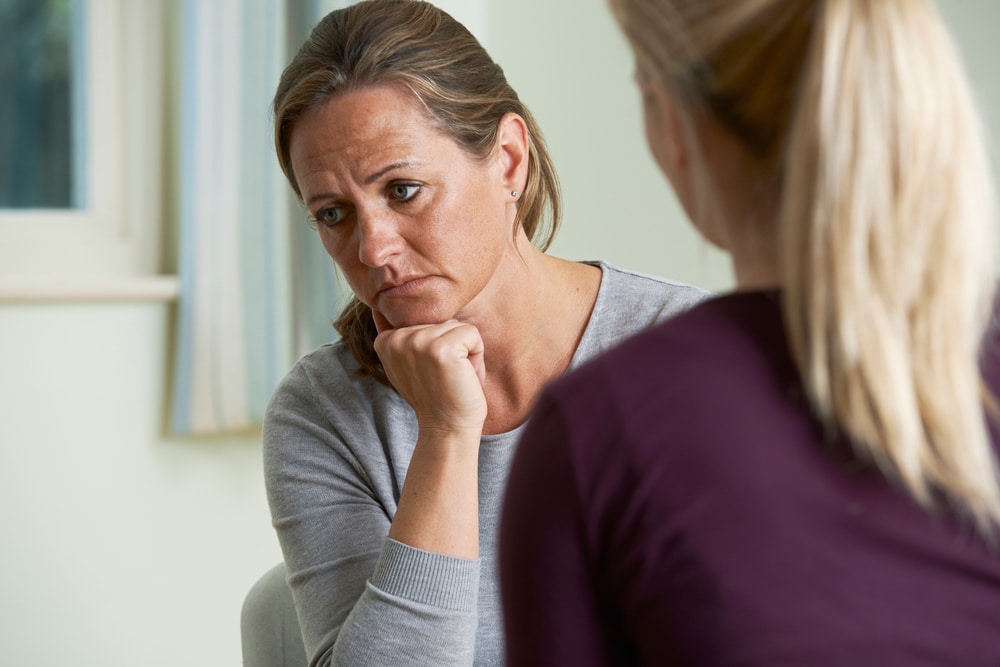
When someone comes to me with depression or anxiety in the context of bereavement, I do not treat those things in isolation. We work with the grief — with the loss itself, with what the person meant to you, with the particular shape of your bereavement — and the depression and anxiety are addressed as part of that work.
This is different from seeing a general counsellor for depression, or a general counsellor for anxiety. The bereavement is always at the centre. That focus makes a difference.
When to Seek Additional Help
Counselling is not the only form of support, and I will always be honest with you if I think something else might help. If grief has triggered severe depression, your GP can discuss whether medication might provide some support alongside counselling. There is no conflict between the two — for some people, a combination works better than either alone.
I will tell you if I think that conversation with your GP is worth having. Your wellbeing is the priority, not keeping you in counselling.

Bereavement Only
Grief and loss are the only things I work with. Every client, every situation, every approach I have developed has been about bereavement.
BACP Accredited
Member 269896. I follow the BACP Ethical Framework in all my work. I also receive direct referrals from local GPs — a reflection of the confidence the medical community has in my work.
Qualified Supervisor
I supervise other counsellors — both experienced and those in training. Being trusted to shape how other counsellors develop is something I take seriously.
If any of this sounds like where you are, please do get in touch.
I offer a free 20-minute initial conversation — no obligation, no referral needed.
Call: 0771 516 0337
or use the form to contact me.