
Grief and Crying — Why Tears Are a Normal Part of Loss
Grief and crying go together. For most people, tears are one of the most immediate and natural responses to loss — and yet many people feel embarrassed by them, or worry that they are crying too much, or not enough.
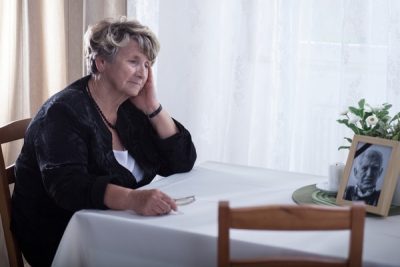
If you have found yourself weeping unexpectedly — in a supermarket, in the car, at a song on the radio — you are not falling apart. You are grieving. And that is exactly as it should be.
Why we cry when we grieve
Crying is the body’s way of releasing emotion that is too large to hold quietly. Research suggests that emotional tears contain stress hormones and other chemicals that build up during periods of distress. So in a very literal sense, crying helps to relieve the physical burden of grief, not just the emotional one.
Grief can also hit without warning. You may feel composed for days and then be undone by something small and unexpected — a smell, a phrase, an ordinary Tuesday afternoon. This is normal. Grief does not follow a schedule, and neither do tears.
In a counselling session
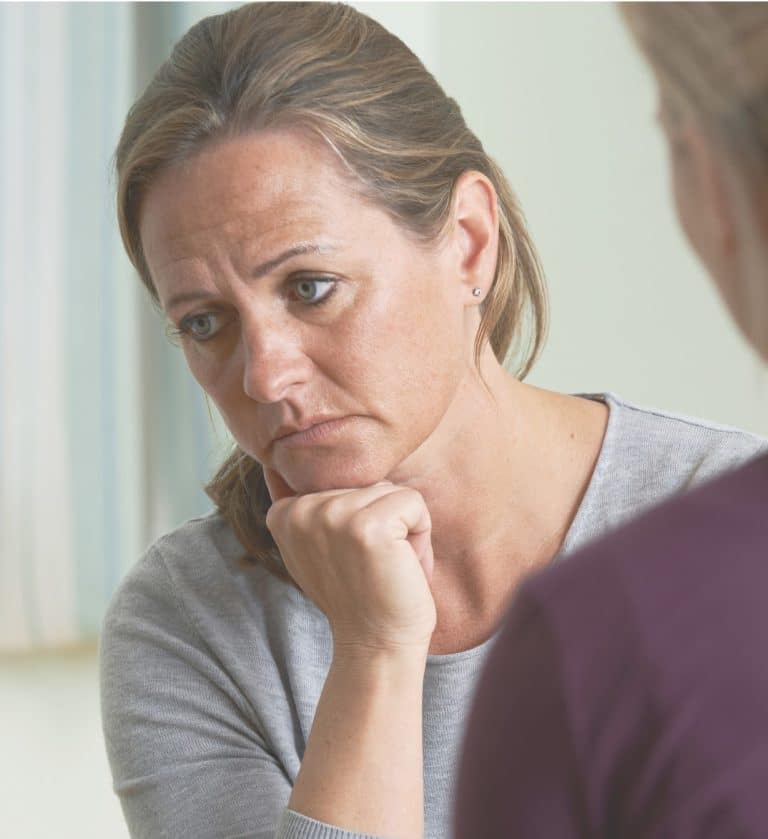
Many people worry about crying in front of a counsellor. I want to reassure you: it is completely fine. A counselling session is one of the few places where you do not have to manage how you appear to others. You do not need to hold it together for my sake.
I have worked with many clients who have spent years suppressing their grief — staying strong for their family, keeping busy, not wanting to be a burden. The counselling room can be the first place where they have allowed themselves to cry properly. That release is often where healing begins.
What if I cannot cry?
Not everyone cries when they grieve, and the absence of tears is not a sign that you are not grieving deeply. People express and process loss in very different ways. Some feel numb. Some feel angry. Others throw themselves into activity. None of these responses is wrong.
If you feel that your grief is blocked — that you want to cry but cannot, or that you feel nothing when you expected to feel everything — that is something we can explore together.
Reaching out
I have been working as a specialist bereavement counsellor for more than fifteen years. My clients come from all walks of life, from the age of seventeen upwards. If you are struggling with grief — whether the tears won’t stop, or they won’t come at all — please don’t hesitate to get in touch.
Read more about bereavement counselling →
Contact Sally →